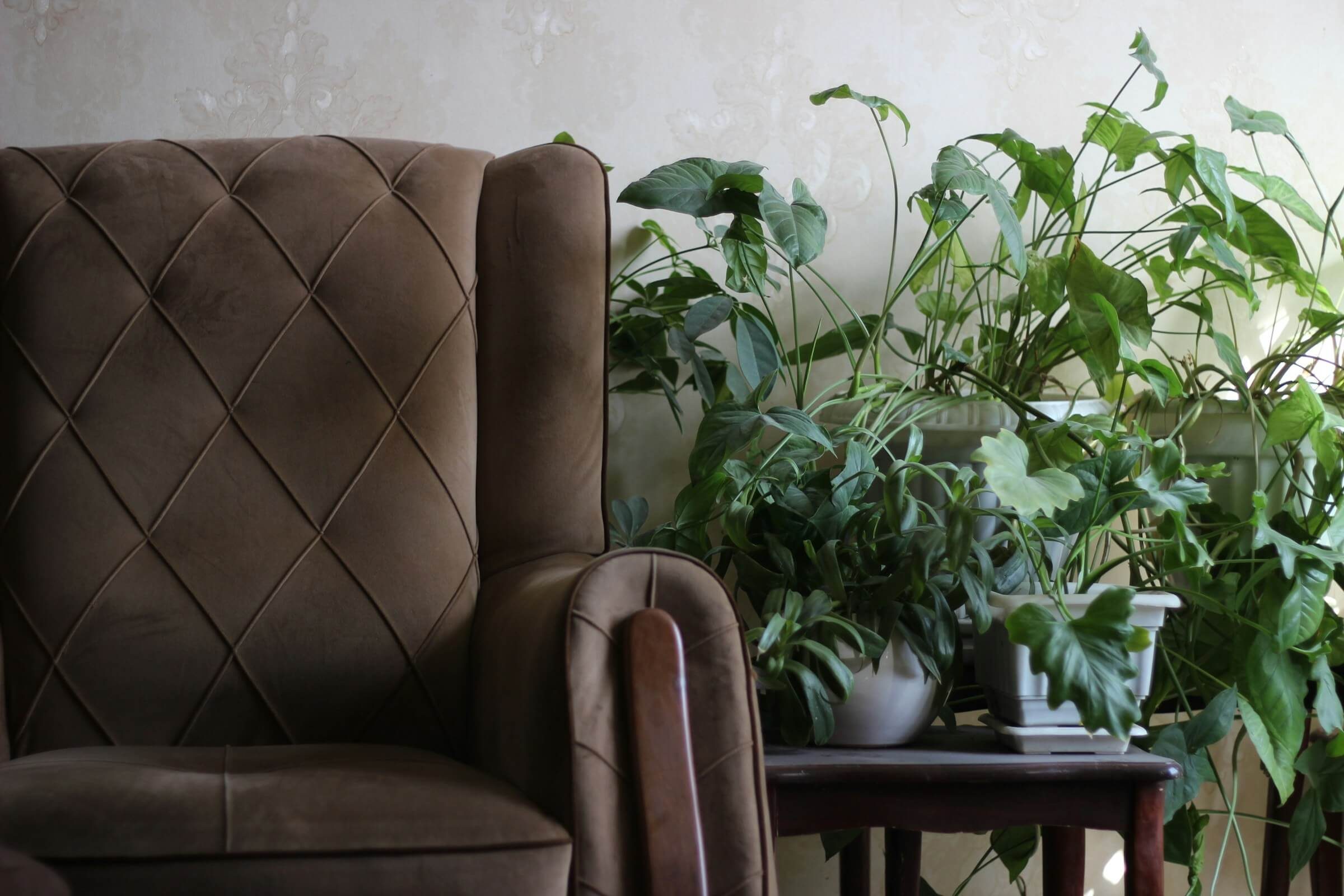
The distinction that matters: interior design makes a space suit the person living in it. Staging makes a space suit a person who hasn't arrived yet. The second requires removing most of the first.
What staging actually does
Establishes scale. Empty rooms photograph smaller and read colder. Correctly sized furniture tells a buyer a king bed fits.
Assigns a purpose to every room. Ambiguous spaces (the odd room off the kitchen, the wide landing) get read as wasted unless you show what they're for.
Directs the eye. Toward the fireplace, the view, the bright corner. Away from the panel box.
Photographs well. Much of staging is done for the camera, because most buyers decide whether to book a showing from a phone screen.
The order of operations
- Declutter first. Roughly half of everything, including half of what's in the closets, because buyers open them, and a packed closet reads as "not enough storage".
- Depersonalise. Family photographs, religious items, diplomas, the children's height marks on the door frame. This part is genuinely uncomfortable and it works.
- Deep clean, including windows, grout, and inside the appliances.
- Neutralise where needed. A bold wall colour you love is a renovation cost in a buyer's head.
- Then furnish and accessorise.
In rough order of return: decluttering (free), deep cleaning, paint, lighting, then furniture. If the budget is tight, spend it in that order rather than on a single dramatic gesture.
Match the staging to the bracket
This is the part most often got wrong, in both directions. Staging should look like it belongs to the house and to the buyer the house is aimed at. A starter condo furnished as though it were a Rosedale detached does not read as aspirational, it reads as a rental showroom, and buyers notice the mismatch before they can articulate it.
The opposite failure is more common and more expensive: a significant home presented with thin, obviously hired furniture. At that level a buyer is assessing whether the house is worth what is being asked, and cheap furnishings quietly answer the question for them.
Under-staging
Empty rooms, or furniture too small for the space. Rooms photograph smaller and read colder, and buyers cannot tell whether their own things will fit.
Over-staging
Yes, this exists. Every surface styled, nothing personal, furniture arranged for the camera rather than for living. It reads as a set, and buyers become suspicious of what the styling is covering.
What good staging actually feels like
Harmonious and lived in. Not a showroom, and not styled to within an inch of its life. A buyer should be able to picture a Tuesday evening in the room, not a photoshoot.
The aesthetic matters and so does the quality of the individual pieces. A well-proportioned sofa in a good fabric does more for a room than three accessories on a console. Buyers cannot always name why one house feels considered and another feels dressed, but they feel it, and it follows them to the offer.
Full, partial, or none at all
Staging is not one thing you either buy or do not. It is a range, and the right point on it depends on what is already in the house. Most sellers are quoted the top of the range and assume that is the only option.
A full stage. The owner's furniture goes out and a stager furnishes the property from nothing. The right answer for a vacant home, for a property that has been lived in hard, or where the existing furniture is fighting the room. It is the most expensive option and, in the right house, comfortably the highest-returning line in the budget.
A partial stage. Keep what is already working and bring a stager in to finish the job: art on the walls, lamps, a rug, accessories, bedding, window treatments, the odd piece of furniture to fill a gap. Where a home is most of the way there this closes almost the whole distance for a fraction of a full stage. It is the option that gets recommended least and suits the most homes.
Decorating alone. Sometimes it really is just walls and rooms. Fresh paint in the right colour, better lighting, art hung properly, clutter removed, and a room reads completely differently in a photograph without a single piece of furniture arriving. This costs very little and is regularly the difference between a listing people scroll past and one they book.
Nothing at all. A genuinely beautiful, well-furnished occupied home may need no more than editing: take a third of it out and leave the rest alone. A property being bought for the land does not need a sofa. I will tell you plainly when this is you, because spending money that changes nothing is not a service.
We walk the house together, room by room, and decide which of the four each room needs. It is rarely the same answer throughout. A tired primary bedroom might want a full stage while the living room needs a coat of paint and two lamps, and you pay for what the house actually needs rather than a package.
You have the option of working with some of the very best stagers and interior designers in the industry. That access is part of what the listing budget buys, and it is the difference between furniture arriving in a house and a home being properly presented. See Commission and Listing Budget.
If the listing is sitting, should the staging come out?
A fair question, and the answer is usually no, at least not first.
If a staged home is not selling, the staging is rarely the reason. Price is, almost always. Removing it turns a slow listing into a slow listing that now shows worse, and hands buyers a second signal that something is wrong. Correct the price first and give it a fortnight. See Adjusting the List Price.
Where pulling the staging does make sense:
The rental term is ending and the cost of extending exceeds what it is contributing. Staging is usually hired by the month and the arithmetic changes after the first term.
You are coming off the market to relaunch properly in a better season. Take it out, do the work, and stage again for the new listing.
The staging is genuinely wrong for the house, which happens. Replacing it is a different decision from removing it.
What you should not do is quietly strip a house mid-listing and carry on with the same photographs. The listing then shows a home that no longer exists, and the first buyer through the door notices.